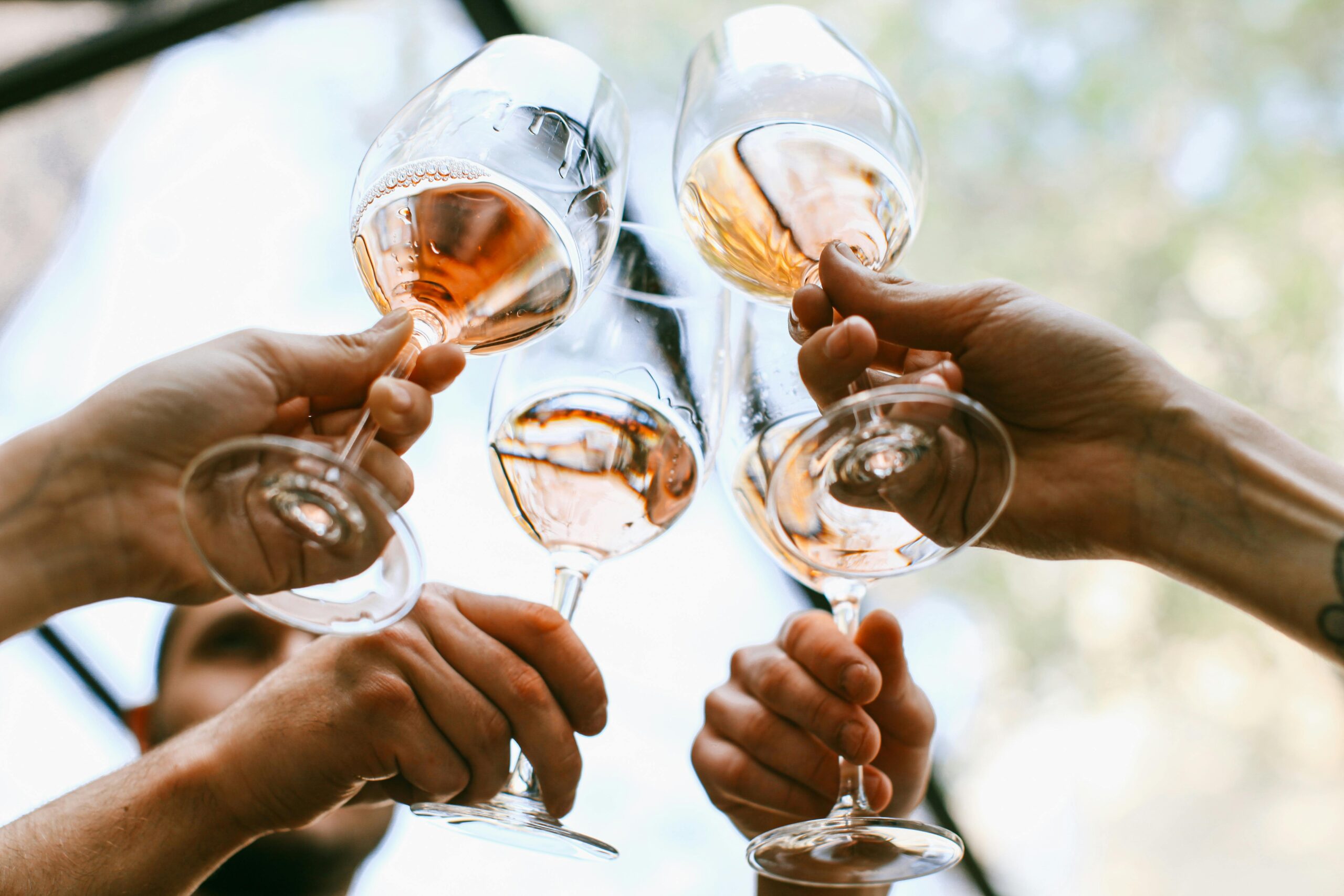
Rosé has taken the world by storm—and it’s easy to see why. With its gorgeous pink hues, refreshing taste, and “Instagrammable” aesthetic, it’s the unofficial drink of summer. The phrase “Rosé all day” isn’t just a catchy slogan; it’s practically a seasonal lifestyle.
But behind the pretty bottle and patio-ready pour is a style of wine that’s steeped in tradition and shaped by craftsmanship. At Latah Creek Winery, we believe in celebrating not just how wine tastes, but how it’s made. So, let’s pull back the curtain on rosé and dive into what really goes into crafting that perfect summer sip.
What Is Rosé, Really?
Rosé is not a blend of red and white wine—at least, not in most of the wine world. (More on that exception in a minute.) It’s a style of wine made from red grapes, but with much less skin contact than a typical red wine. The result? That beautiful pink color and a flavor profile that dances somewhere between white wine brightness and red wine complexity.
Think of rosé as the versatile middle sibling—lively and easygoing, but full of personality.
How Rosé Gets Its Color: Three Main Methods
The way rosé is made plays a huge role in how it looks and tastes. There are three main production methods, and each brings something different to the table:
1. Maceration (Direct Press Method)
This is the most common and arguably the most “intentional” method for quality rosé. Red grapes are crushed and allowed to sit with their skins for a short period—anywhere from a couple of hours to a day—before the juice is separated and fermented like a white wine. The longer the skin contact, the deeper the color and the more pronounced the flavor.
This method results in rosés that are dry, structured, and often more complex—perfect for food pairings.
2. Saignée (Say “Sahn-yay”) Method
Saignée means “to bleed” in French, and this technique involves “bleeding off” a portion of red wine juice early in the fermentation process. Originally, this was done to concentrate red wine by removing some of the juice, but winemakers found that the rosé by-product was worth bottling on its own.
Saignée rosés tend to be darker, richer, and fruitier—sometimes closer to a light red in flavor intensity.
3. Blending Method
This is the least common method in quality winemaking—and in fact, it’s prohibited in most European wine regions for still rosé. Here, a small amount of red wine is simply blended into white wine to achieve a pink hue. While often associated with inexpensive or bulk wine production, some sparkling wines (like rosé Champagne) are actually made this way with great success.
So while it can be done well, it’s not the gold standard for still rosés.
It’s Not Just Color—It’s Character
The production method doesn’t just affect the shade of pink—it influences everything from aroma to structure to food compatibility. A pale salmon-hued Provence-style rosé (made via maceration) might be bone dry with notes of strawberry, citrus, and herbs. A saignée rosé could be bold and juicy with cherry and raspberry notes, almost like a red wine’s flirty cousin.
And then there’s the varietal. Rosé can be made from nearly any red grape—Syrah, Grenache, Mourvèdre, Sangiovese, Cabernet Sauvignon, even Pinot Noir. Each grape brings its own personality, so choosing a rosé made from a grape you already love in red wine form can be a great way to explore.
Why Rosé Shines in Summer
We’re not here to say rosé is only a summer wine—plenty of us enjoy it year-round—but it certainly hits differently in June. Its acidity is refreshing, the lower tannin content means it’s easy to sip on a warm afternoon, and its flavor profile plays beautifully with summer foods.
Pair it with grilled shrimp, watermelon salad, charcuterie, or even spicy BBQ—rosé is surprisingly food-friendly. The drier styles cut through richness, and the fruit-forward ones complement smoky or spicy dishes like a dream.
Pro Tip: Chill your rosé to about 50–55°F (or around 1 hour in the fridge). Too cold and you’ll mute the flavors; too warm and it can feel flat.
Latah Creek’s Take on Rosé
At Latah Creek Winery, our rosé is crafted with intention—from grape selection to time on skins—so that every sip reflects balance, vibrancy, and a bit of summer magic. Whether you prefer your rosé bone dry or with just a whisper of sweetness, what matters most is that it’s made with care, not just color.
We encourage our visitors to try rosé not just as a seasonal trend, but as a thoughtful wine style worthy of exploration.
A Toast to the Real Rosé Lovers
Next time you pop open a bottle of rosé, take a moment to appreciate what went into it. The grape varietal, the harvest timing, the skin contact, the fermentation—all those decisions made by the winemaker are what elevate it from “just a pretty pink wine” to a carefully crafted expression of summer in a glass.
So yes—rosé all day if you like. But now, you can do it with a little more appreciation for the craft behind every pour.
Here’s to sunshine, summer evenings, and the stories behind every bottle.
Cheers,
Natalie
 Catch up on all the latest from the winery in our newsletter, including recipes, new releases, sales, and more!